
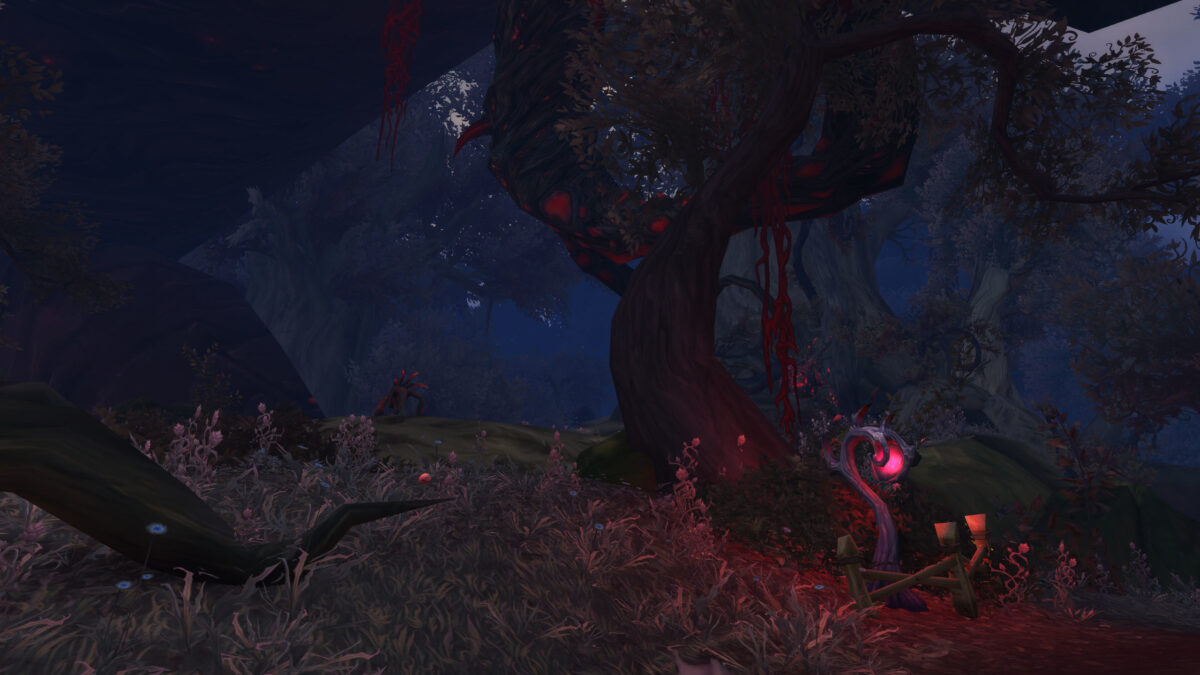
Dungeons have always been a core part of the game’s cooperative experience, but their evolution reshaped how players think about coordination, roles, and shared responsibility. As difficulty escalated across expansions, dungeons became more than quick runs—they grew into structured tests of awareness, leadership, and adaptability. This shift didn’t just change encounters; it changed the culture around teamwork.
This look back explores how increasing dungeon difficulty redefined group dynamics and challenged players to approach teamwork with new expectations and deeper engagement.
From Simple Encounters to Layered Mechanics
Early dungeon encounters were straightforward, often relying on basic tank-and-spank designs that rewarded gear checks more than tactical execution. As time went on, designers introduced layered mechanics—interrupt chains, movement challenges, positional requirements, and hazard management. These changes demanded that each role engage fully rather than simply follow the tank’s lead. The result was a higher bar for team performance and a new sense of shared responsibility.
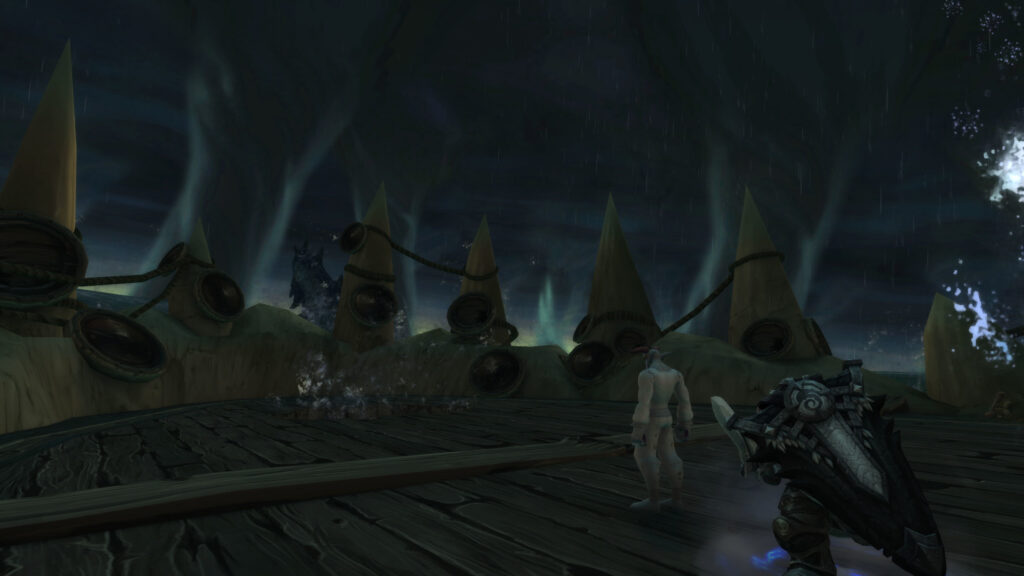
This growth turned dungeons into collaborative puzzles rather than simple combat chambers, fostering a stronger sense of group involvement.
How Mythic Difficulty Redefined Expectations
The introduction of Mythic and Mythic+ dungeons marked a turning point. Scaling difficulty, time pressure, and affix rotations meant that groups could no longer rely on static patterns. They had to adapt, communicate, and experiment with strategies. Mistakes carried heavier consequences, and improvisation became as valuable as knowledge. This shift encouraged players to develop a deeper understanding of their classes, dungeon layouts, and enemy behavior.
The rise of Mythic+ created a new form of team sport—one defined by precision, timing, and trust.
The Role of Communication in Modern Runs
As dungeons grew more demanding, communication moved from optional to essential. Players needed to clarify interrupts, coordinate cooldowns, and anticipate danger. Silence was no longer viable; coordination determined success. Even small details like route planning or pull sizes became group decisions rather than individual impulses. The social element of teamwork became inseparable from mechanical execution, and the quality of communication often predicted the outcome of a run.
This cultural shift increased the value of leadership and encouraged players to engage more proactively with each other.
Understanding Team Roles Through Difficulty
Rising difficulty levels helped players better appreciate the strengths and limitations of each group role. Tanks learned to balance aggression with survival, healers mastered predictive responses, and DPS learned that utility could be as important as raw output. This nuanced understanding created richer team interactions, stronger strategic planning, and clearer division of labor within groups—making teamwork more rewarding and more complex.
To show how expectations evolved, here is a simple list:
- Tanks: Route planning, control, and survival management
- Healers: Burst healing, mitigation, and mechanic coverage
- DPS: Utility, interrupts, burst phases, and target prioritization
- Everyone: Movement, awareness, and coordinated responses
How Difficulty Shaped Community Culture
With new challenges came new social dynamics. Communities formed around pushing keys, mentoring players, and analyzing routes. Score-based systems rewarded consistency and planning, encouraging groups to develop shared habits and expectations. Even casual groups gained new tools for organization, finding satisfaction in their collective improvement. The increased difficulty curve promoted a mindset of growth and teamwork that extended far beyond any single dungeon run.
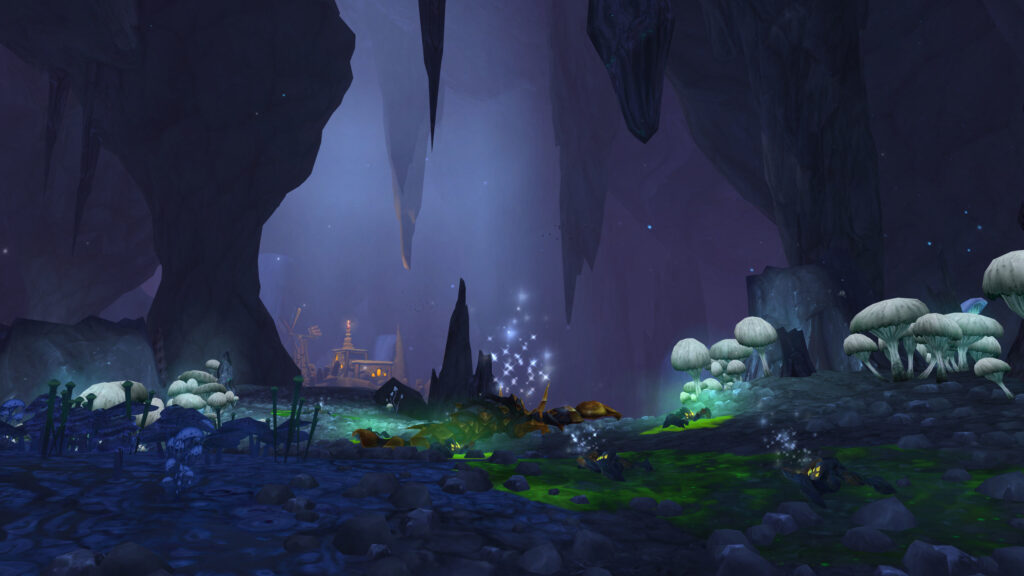
The modern scene now includes strategy discussions, community tools, and collaboration that would have been unimaginable in early expansions.
Conclusion
The evolution of dungeon difficulty reshaped the entire meaning of teamwork. What began as simple group encounters became a refined test of coordination, awareness, and shared responsibility.
The increasing complexity didn’t just challenge players—it strengthened the bonds between them, creating a deeper cooperative culture. Today’s dungeons stand as a testament to how difficulty can elevate teamwork into an art form defined by trust, communication, and skill.

Leave a Reply