
Azeroth Chronicles
Quests, Lore, and Adventures Await
Learn how to buy WoW Mythic Boost with Expert Tips
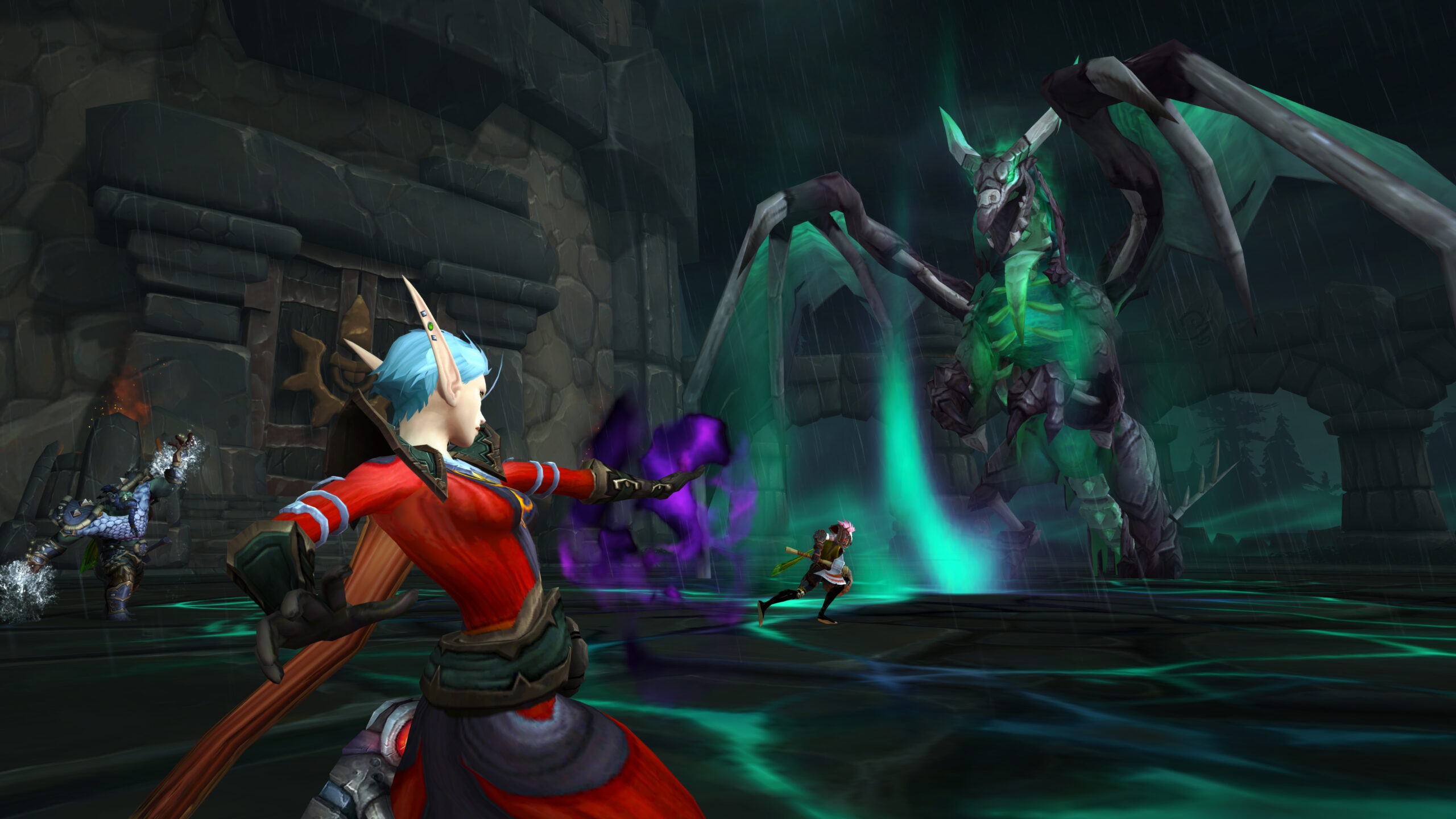
Boost Your Brand in Azeroth: Advertise with Us!
Connect with avid World of Warcraft fans on our blog. Promote your brand, in-game services, and events with our banner space. Partner with us today!
-

Mother Shahraz Shadow Resistance Gates: Farming Hearts of Darkness for Black Temple Raids
In the world of Black Temple raids, gearing up with the right items is essential for success, particularly when facing Mother Shahraz and her Shadow Resistance Gates. This guide provides an in-depth analysis of how to effectively farm Hearts of Darkness, a crucial resource for enhancing your Shadow Resistance. Understanding the mechanics behind this farming…
-
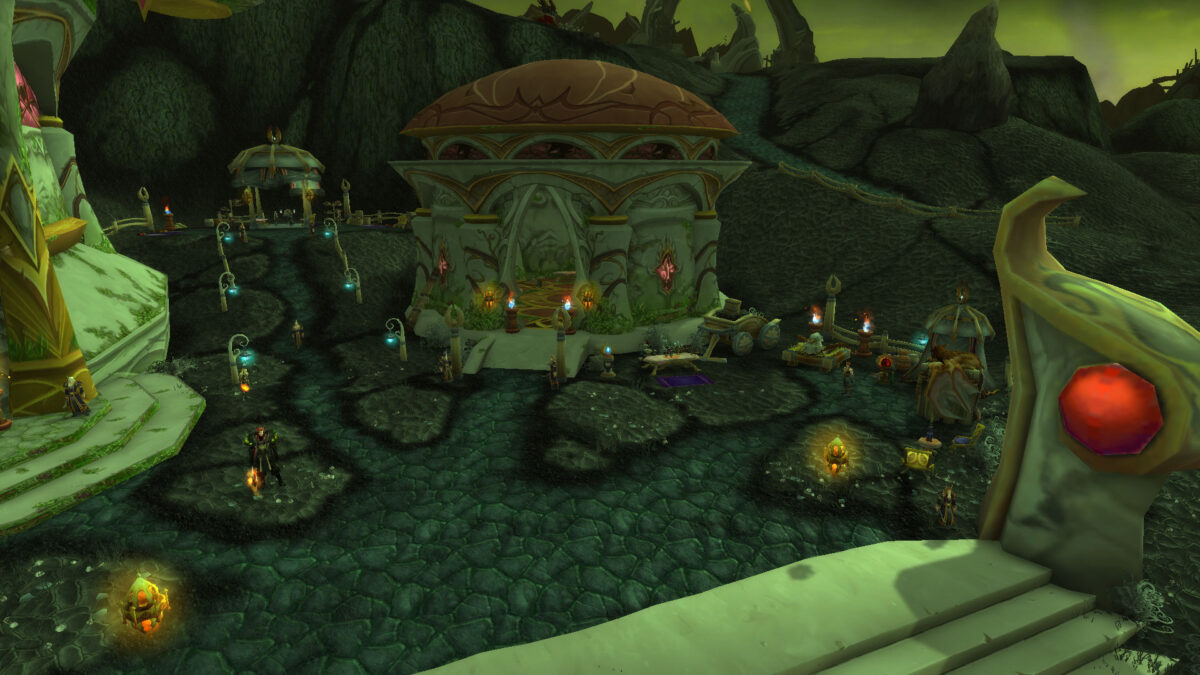
The Netherwing Ledge Mines: Avoiding World PvP and Farming Crystal Deposits in WoW TBC
The Netherwing Ledge in World of Warcraft: The Burning Crusade (TBC) is a prime location for farming crystal deposits, but it is also notorious for its world PvP activity. Players seeking to maximize their farming efficiency must navigate both the lucrative mining opportunities and the potential for player conflict. This guide will delve into strategies…
-

Collect Top-Tier Weapons: Why Getting a Voidspire Boost is the Quickest Way to Upgrade Your Item Level
The Financial and Tactical Value of Top-Tier Weapons In the most demanding endgame content, your weapon is the single most important factor determining your effectiveness. Whether you are dealing damage to a massive boss or keeping a raid team alive through an intense phase, a high-tier weapon provides the base stats and proc chances that…
-
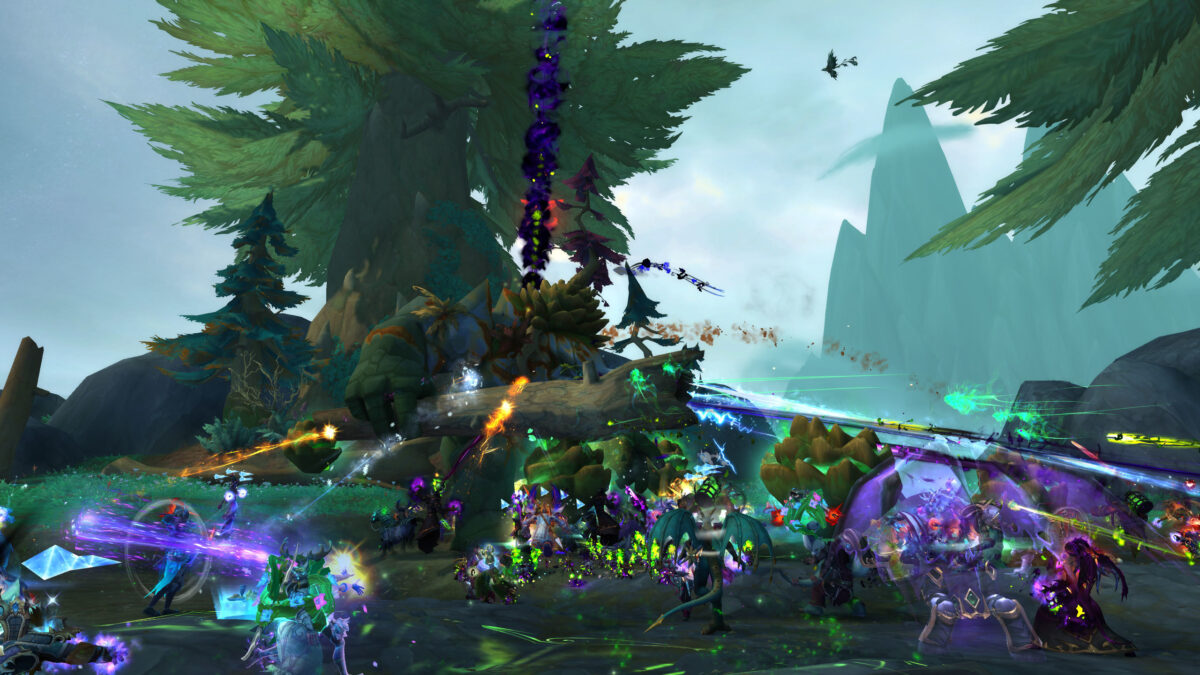
What Are the Best Trinkets in WoW Midnight Season 1? A Mathematical Breakdown for Every Ranged DPS Class
Trinket selection is one of the most impactful gearing decisions for ranged DPS specializations in World of Warcraft: Midnight Season 1, because trinkets provide the largest stat budget and most powerful on-use proc effects of any individual gear slot, and choosing the wrong trinket combination can cost your character thousands of DPS compared to the…
-
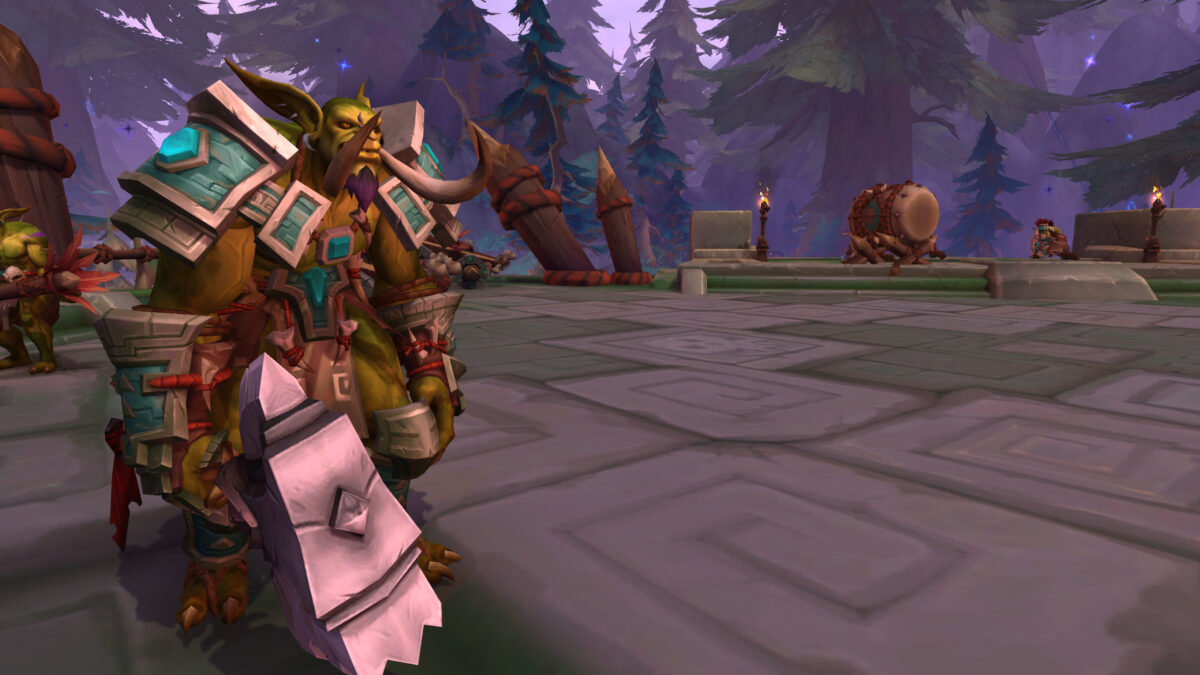
Transmog Gold: What Sells, What Doesn’t, and Why
Transmogrification items (transmogs) let players change the look of their gear. Selling these items on the Auction House can make a lot of gold, but it is a tricky market. Not all transmogs sell, and some sit for a very long time. This guide will tell you what kinds of transmogs sell well, what items…
-
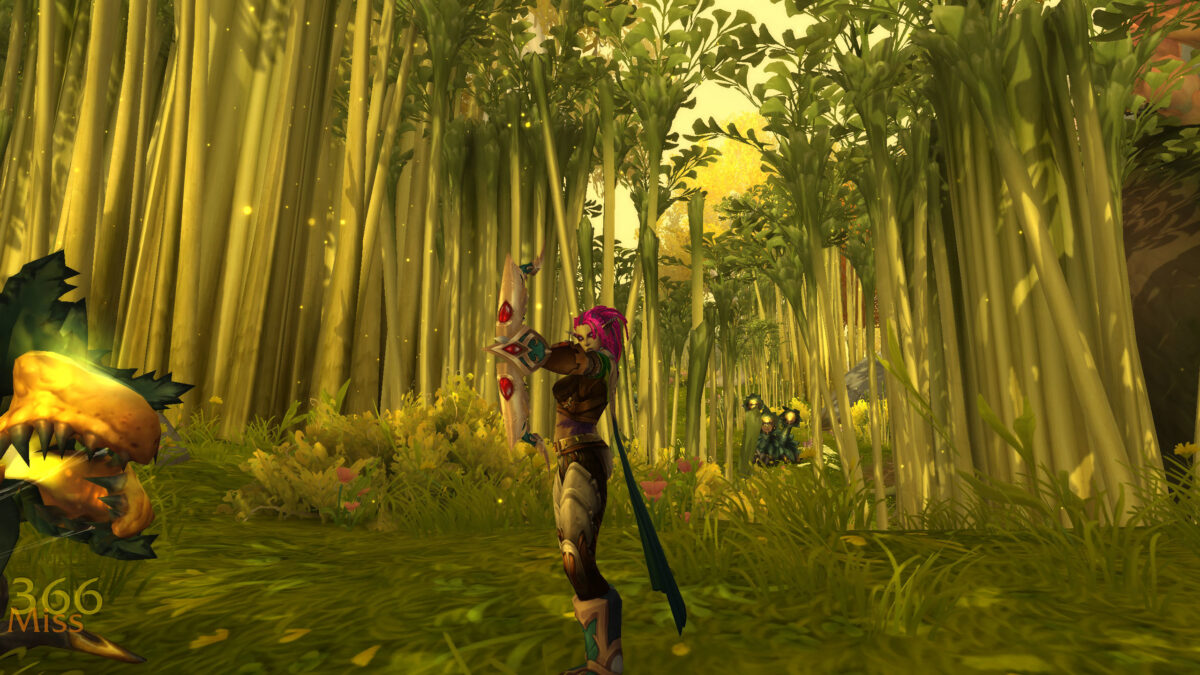
A Guide to Reputation Stories Which Factions Have the Best Narrative
Many players view reputation as nothing more than a bar to fill so they can buy a specific mount or gear upgrade. They see the daily quests as chores rather than chapters in a book. This perspective causes them to miss out on some of the most emotional and epic storytelling in the game. A…
-

Stay Alive Longer: Why You Need WoW Hardcore Gold for Gear Upgrades
Introduction: Survive with Better Gear The main goal in WoW Hardcore is simple: survive. With only one life, every decision matters, and your character’s gear is one of the most important factors for staying alive. Better gear is the key to surviving tough fights and unexpected dangers. The problem is that getting good gear can…
-

Execution Priority After Gear Power Plateaus In World of Warcraft
Eventually, gear stops providing noticeable gains. Item level increases slow, upgrades become marginal, and raw power plateaus. At this point, progression shifts away from equipment and toward execution. Skill, coordination, and decision making begin to matter more than numbers. This article explores how priorities change after gear plateaus and why execution becomes the defining factor.…
-

How WoW’s Dungeon Difficulty Curve Changed the Way Players Approach Teamwork
Dungeons have always been a core part of the game’s cooperative experience, but their evolution reshaped how players think about coordination, roles, and shared responsibility. As difficulty escalated across expansions, dungeons became more than quick runs—they grew into structured tests of awareness, leadership, and adaptability. This shift didn’t just change encounters; it changed the culture…
-

How Player-Driven Events Bring Azeroth’s Roleplay Servers to Life
Introduction. Beyond raids, dungeons, and world quests, there exists a version of World of Warcraft that thrives entirely on creativity—its roleplay servers. Here, players craft their own stories, host festivals, hold political meetings, and stage full-scale wars. These events transform Azeroth from a static environment into a living theater of imagination. Player-driven storytelling has kept…

WoW Gold Buying Guide for New Players
Introduction
Many new players reach a point where they want to move faster in World of Warcraft, level up gear, or explore late-game content without spending weeks grinding for gold. Buying gold can help you skip long farming sessions and try out new mounts, gear, or crafting materials sooner. This guide will walk you through the basic steps: from setting clear goals, to choosing when to buy, and managing your gold once it arrives. You will learn how to balance your budget, track price shifts, and make sure you get the most value for each purchase. While this guide does not cover seller reviews or payment steps, it will help you think about why and when to add gold to your account without worrying about farming every coin. By the end, you will have a straightforward plan for how much gold you need, how to watch for good rates, and how to keep your funds organized in the game. Whether you want to catch up with friends, buy a fast mount, or stock up on crafting supplies, these tips will give you clear direction. Follow each section in order, and you will know exactly how to set your goals, pick the best time to buy, and manage your gold for smooth progress.
Benefits of Buying Gold
Buying gold can save you hours of farming and let you focus on features of the game you enjoy most. Instead of running the same zones for days, you can jump right into dungeons, raids, or open-world battles. That means faster access to new mount vendors, gear upgrades, and crafting materials. If you plan to join a guild or team up for high-end content, having gold on hand lets you repair gear, stock up on potions, and pick up crafting reagents without waiting for your next farming run. For players who want to test out different classes or builds, gold can buy training materials or special items that help you get started. You can also support in-game services like character mounts or special appearance changes that require gold. Beyond convenience, buying gold can help you catch up with friends who have played longer. If they already have fast mounts or powerful gear, you can match their pace instead of falling behind. For new players short on playtime, gold can cover repair costs and consumables so you aren’t stuck waiting for a slow farm cycle. Overall, buying gold gives you the freedom to explore new zones, gear up faster, and join larger groups with ease.
Planning Your Purchase
Before you spend real money, decide how much gold you want and how much you will pay. Start by listing your main goals: do you need gold for mounts, crafting, gear repairs, or a mix of items? Estimate the total amount—50,000, 100,000, or more—based on in-game vendor prices and upgrade costs. Next, set a budget in your local currency to avoid overspending. If you plan to buy 100,000 gold, check recent rates in dollars or euros to see what that will cost you. Keep track of payment fees or conversion charges from your bank or payment service. Jot these numbers down in a notebook or simple spreadsheet so you know your real out-of-pocket cost. Once you have your target and budget, monitor market rates for a few days. Prices can shift by a few cents per 1,000 gold depending on server activity or events. Watch for a dip that fits your budget, then place your order. Finally, decide how you will store and use your gold in the game. Set reminders to check your balance after key purchases and adjust future goals. With clear targets and a budget in hand, you will avoid surprises and get the gold you need without overspending.
Factors That Affect Gold Price
Gold price in the US and EU markets can shift based on several key factors. Understanding these elements will help you spot when prices are likely to rise or fall. The table below summarizes the main factors and their typical impact on gold rates:
| Factor | Description | Typical Impact on Price |
|---|---|---|
| Currency Rate | Exchange rate between USD or EUR and your local money | Weaker USD/EUR raises cost; stronger lowers cost |
| Server Demand | Number of active players farming or buying gold | High demand pushes prices up; low demand lowers prices |
| Event Bonuses | In-game bonuses that boost drop rates or rewards | Increased farming output can lower prices |
| Patch Updates | Game updates that change drop rates or add nodes | New content often raises demand and prices |
Even small changes in any of these factors can shift prices by several cents per 1,000 gold. For instance, a 1% drop in the USD exchange rate can add an extra cent per 1,000 gold when you convert. A major patch that boosts interest in new zones may raise prices by up to 5% until farmers adjust. It helps to check price lists before and after each patch or event. You can record daily rates in a simple spreadsheet to see patterns at a glance. Over a month, you might spot that prices dip by 3–4% during midweek lulls or spike by 2–3% when a new bonus weekend starts. By referring to this table and keeping a brief log, you will have a clear guide for what moves prices and when to watch the market.
Best Times to Buy
Choosing the right moment to place your order can save both time and money. Below is a list of common timing windows that tend to offer better rates or faster delivery:
- Weekday Early Mornings: Off-peak hours often run from about 4 AM to 9 AM local server time. Lower demand can mean faster service and slight price drops.
- Midweek Lulls: Tuesdays, Wednesdays, and Thursdays generally show lower activity than weekends. Prices can dip by 1–2% as fewer buyers compete.
- Major Event Gaps: Between the end of one in-game event and the start of another, supply may rise and push rates down.
- Post-Patch Cool-Down: After the initial surge that follows a patch, rates tend to settle and sometimes dip below average.
- Holiday Weekdays: In the US, the day after a major holiday can see fewer players online, which may lower prices briefly. In the EU, look for midweek days between public holidays when play time drops.
By targeting one or more of these windows, you can often pick up a small but meaningful discount. Even a 2% saving on a large purchase adds up over time. Combine these timing tips with the factors table above for maximum effect.
Monitoring Market Prices
Keeping an eye on price shifts is key to spotting the right buy moment. Here are steps you can follow:
- Choose a Tracking Tool: Find a site or app that lists daily gold rates for both US and EU markets.
- Log Daily Rates: Record the price for your target amount (e.g., 50,000 gold) at the same time each day to maintain consistency.
- Note Key Events: Mark dates of patches, bonus weekends, and major holidays on your log to spot related price moves.
- Set Alerts: If your tracking tool allows it, set notifications for when prices fall below a chosen threshold.
- Review Weekly Trends: At the end of each week, compare highs and lows to see if recent dips align with your budget.
- Plan Purchases: When you see a drop that matches your goal, place your order during an off-peak window for faster delivery.
By following these steps, you will build a clear view of how prices change over time. This simple log and alert system means you won’t miss a sale or get caught paying a premium. Over a few weeks, you will learn the patterns that work best for your schedule and budget, making each purchase more efficient.
Conclusion
Buying gold can give new players a jump start on gear, mounts, and crafting. To keep your process smooth, follow this checklist before and after each purchase:
- Set Clear Goals: Define how much gold you need and what you will spend it on.
- Establish a Budget: Convert your target amount into your currency, accounting for fees.
- Watch Key Factors: Track exchange rates, server demand, and event bonuses.
- Time Your Order: Aim for off-peak hours or midweek lulls to get lower rates and fast delivery.
- Log Prices: Record daily rates and note patches or holidays that shift prices.
- Store Wisely: Use banks, guild vaults, or alt characters to keep gold safe.
- Plan Spending: Allocate funds for essentials first, then extras, and review monthly.
With this plan, you can buy, store, and spend gold without stress. Keep a simple log, follow each step, and you’ll have the funds you need for repairs, upgrades, and special items. As you gain experience, you can refine your timing and budgeting to fit your playstyle. Enjoy the game—and let your gold work for you.